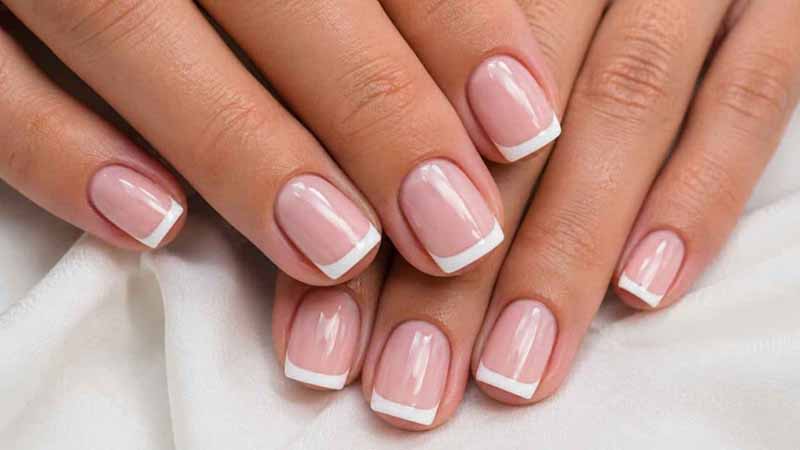
The Art and Science of Manicures: Why We Love Them, What They Really Are, and How to Do Them Right
I still remember my first manicure. I was fourteen, and my mother took me to a small salon for a school dance. The technician shaped my nails, pushed back my cuticles, and applied a soft pink polish. I remember staring at my hands for the rest of the day, amazed at how different they looked—how polished and put-together I felt. That moment sparked a lifelong appreciation for the craft of nail care.
Since then, I have learned that a manicure is so much more than just nail polish. It is a blend of art, science, and self-care that transforms not just your hands but how you feel about yourself.
Why Do People Love Manicures?
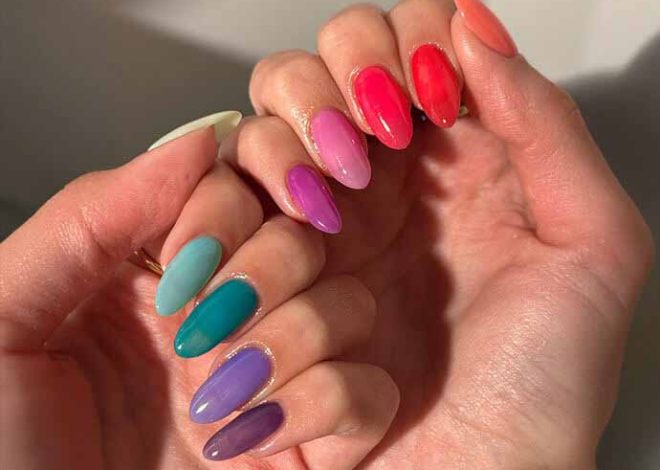
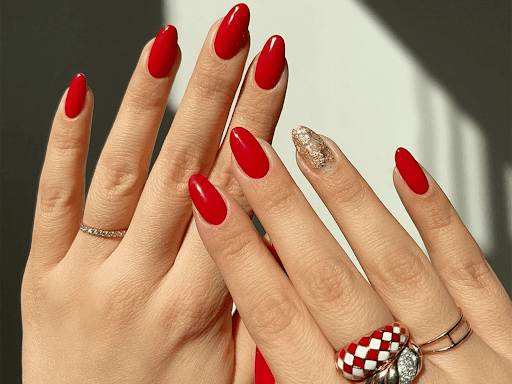
There is something deeply satisfying about well-groomed hands. A manicure is a form of self-expression—a way to showcase your personality, mood, or style without saying a word. Whether you choose a bold red for confidence, a soft nude for elegance, or intricate nail art for creativity, your nails are a canvas.
Manicures also offer a moment of calm. In a busy life, sitting down for a manicure—whether at a salon or at home—is a dedicated pause. It is a ritual of self-care that reduces stress, improves mood, and boosts confidence.
There is also a social aspect. Manicures can be a shared experience—friends gathering for a pampering session, a bonding activity with family, or a way to connect with a technician who becomes a trusted part of your routine. And let’s be honest: there is a quiet confidence that comes from looking down at your hands and seeing them beautifully cared for.
What Is a Manicure, Really?
A manicure is more than just painting nails. It is a comprehensive treatment for the hands and nails that includes cleaning, shaping, cuticle care, exfoliation, moisturising, and polishing. A true manicure is a careful process that addresses the health of the nail and the surrounding skin.
At its best, a manicure is a combination of art and science. The art lies in the shape, the colour, and the design. The science lies in the preparation—the gentle filing, the proper cuticle care, the application of base and top coats that protect and extend the life of the polish. A well-executed manicure enhances the natural beauty of your hands while keeping your nails strong and healthy.
Essential Manicure Tools
You don’t need a full salon’s worth of equipment, but a few key tools make all the difference between a DIY attempt and a professional result.
Nail clippers. Sharp, stainless steel clippers that cut cleanly without crushing the nail. Choose a straight edge for toenails and a slightly curved edge for fingernails.
Nail file. A fine-grit file (180-240) for shaping natural nails. Glass files are gentle and last forever.
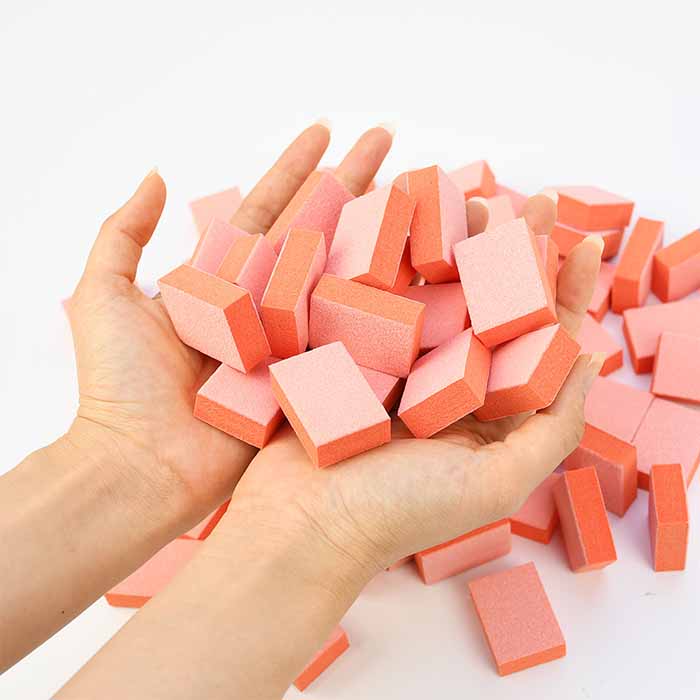
Buffer. A gentle buffer block for smoothing ridges and creating a polished surface.
Cuticle pusher. A wooden stick or metal pusher for gently pushing back cuticles.
Cuticle nippers. For trimming only loose, dead skin—never living tissue.
Base coat. Non-negotiable. Prevents staining and helps polish adhere.
Top coat. Seals everything, adds shine, and dramatically extends wear.
Cleanup brush. A small angled brush dipped in remover for perfecting edges.
Cuticle oil. For hydration after the manicure.
The Standard Manicure Process
A professional manicure follows a precise sequence of steps that ensures a flawless, long-lasting result.
Step 1: Removal and shaping. Any old polish is removed, and your nails are shaped to your desired length and style using a fine-grit nail file. The technician files in one direction only to prevent peeling.
Step 2: Cuticle care. Cuticles are softened with a gel or soak, then gently pushed back. Only loose, dead skin is trimmed—never living tissue.
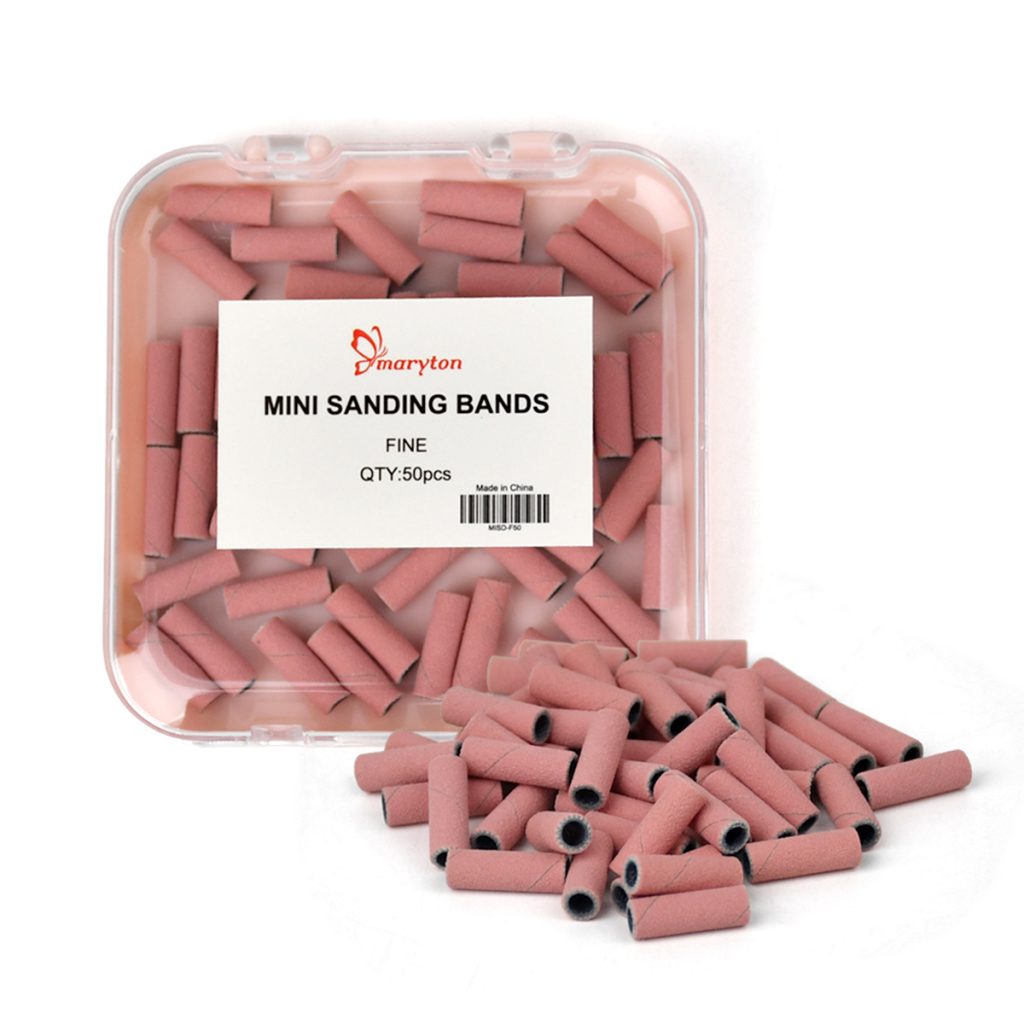
Step 3: Buffing. The nail surface is lightly buffed to create a smooth, even canvas for polish and to help it adhere.
Step 4: Cleansing. The nails are wiped with a dehydrator to remove oils and dust, ensuring proper adhesion.
Step 5: Base coat. A thin, even layer of base coat is applied and allowed to dry. This prevents staining and helps the polish stick.
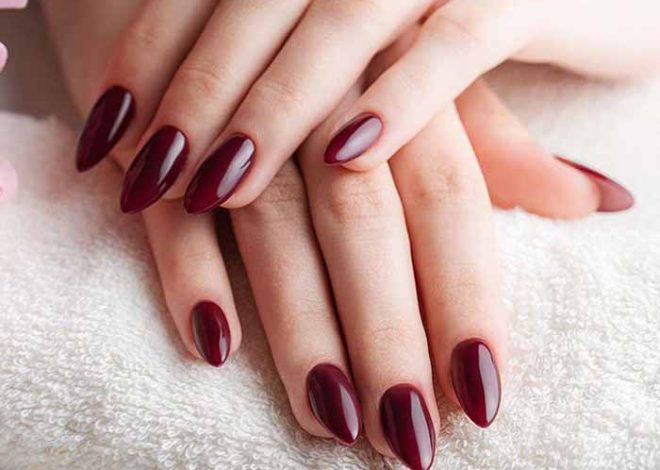
Step 6: Polish application. Two thin coats of colour are applied, allowing each to dry between coats. Thin layers dry faster, level out more evenly, and chip less.
Step 7: Top coat. A generous layer of top coat seals the polish, adds shine, and extends wear.
Step 8: Cleanup. Any stray polish is cleaned from the skin and cuticles.
Step 9: Hydration. Cuticle oil is applied to nourish the skin and complete the treatment.
How to Enjoy Manicures Without Damaging Your Natural Nails
One of the biggest concerns people have is whether manicures—especially gel or acrylic—damage natural nails. The short answer is: they don’t have to. The key is proper application, maintenance, and removal.
Protect your natural nails. Never let a technician aggressively file or buff your natural nail surface. A light buff to remove shine is sufficient.
Choose quality products. Professional-grade products are formulated to be less damaging and more nourishing.
Take breaks. Give your nails a few days of bare, oiled rest between gel or acrylic sets. This allows the nail plate to rehydrate.
Never peel. Peeling gel or acrylic strips layers of your natural nail. Always use the proper soak-off method for gel and have acrylics filed by a professional.
Hydrate daily. Cuticle oil is your best friend. Apply it daily to keep your nails flexible and prevent lifting.
Wear gloves. Protect your nails from water and harsh chemicals by wearing gloves for dishwashing and cleaning.
Remove properly. Do not let a technician aggressively scrape or file during removal. Proper removal is gentle and patient.
Listen to your nails. If your nails feel thin, painful, or show signs of damage, take a break. Your nails are living tissue and need time to recover.
The Bottom Line
A manicure is a beautiful blend of art, science, and self-care. It is an expression of personality, a moment of calm, and a way to care for your hands and nails. With the right tools, proper technique, and a little patience, you can enjoy beautiful, long-lasting manicures without compromising the health of your natural nails. Your hands deserve that attention—and so do you.
Read also: Jelly Nails: The Nail Trend You Can’t Miss in 2026

One thought on “The Art and Science of Manicures: Why We Love Them, What They Really Are, and How to Do Them Right”