Jelly Nails: The Nail Trend You Can’t Miss in 2026
If you’ve been scrolling through nail inspiration lately, you’ve likely noticed the rise of jelly nails. This translucent trend has taken over social media and salon menus, offering a fresh alternative to opaque, full-coverage manicures. From minimalist everyday looks to bold layered nail art, jelly nails have quickly become a must‑have in modern manicures. Here‘s everything you need to know about this glossy, dimensional trend.
What Are Jelly Nails?
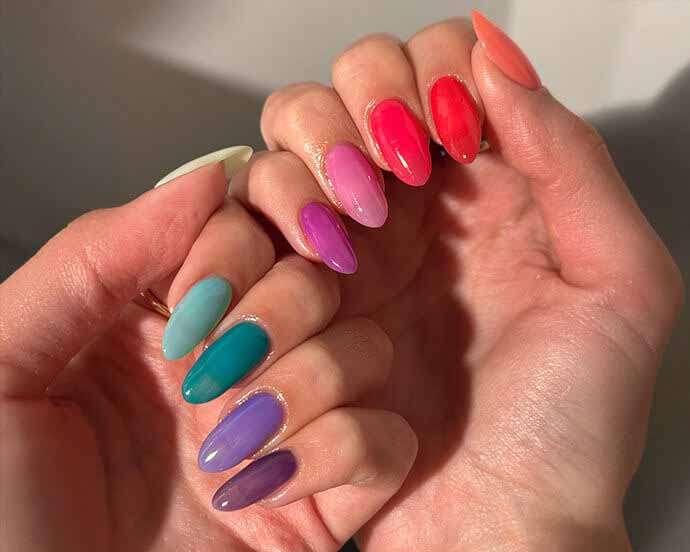
Jelly nails are a style of manicure that uses semi-transparent gel polish to create a sheer, glass‑like finish on the nails. Unlike traditional opaque gels that provide full coverage, jelly gel polish allows light to pass through, giving nails a soft, layered, and dimensional appearance—almost like tinted glass or candy.
“Jelly nails are all about translucent, high-shine color. Think a sheer, glass‑like finish where the nail is still visible beneath the polish,” explains Juanita Huber‑Millet, founder and creative director of the nail salon Townhouse. The polish is typically buildable, meaning you can achieve the color saturation of your choice—from a subtle wash of color with one coat to a deeper, more vibrant finish with three coats.
Jelly nails are popular in bright, candy‑like hues—think pinks, oranges, and reds—but the trend has expanded to include softer shades like sheer nudes, peaches, and even smoky plums for fall and winter. From minimalist everyday looks to bold statement designs with encapsulated glitter or dried flowers, jelly nails are incredibly versatile.
The Benefits of Jelly Nails
Jelly nails offer several distinct advantages over traditional manicures. Their lightweight, translucent finish makes them perfect for the warmer months when you want a fresh and airy look, as the natural nail is still visible beneath the polish. The color is buildable, allowing you to go from a sheer wash for a discreet manicure to a more opaque jelly finish for greater intensity with the same product. This versatility extends to nail art as well—the transparent effect makes jelly nails ideal for layering glitter, foil, dried flowers, and decals inside the polish for a trendy floating, 3D effect.
Like all gel manicures, jelly nails are cured under a UV/LED lamp and offer the same benefits of traditional gels: they wear significantly longer than nail polish, stay chip‑free for two to three weeks, dry instantly under the lamp, and maintain their glossy shine without fading.
How to Create the Perfect Jelly Manicure
Achieving jelly nails at home is straightforward with the right technique.
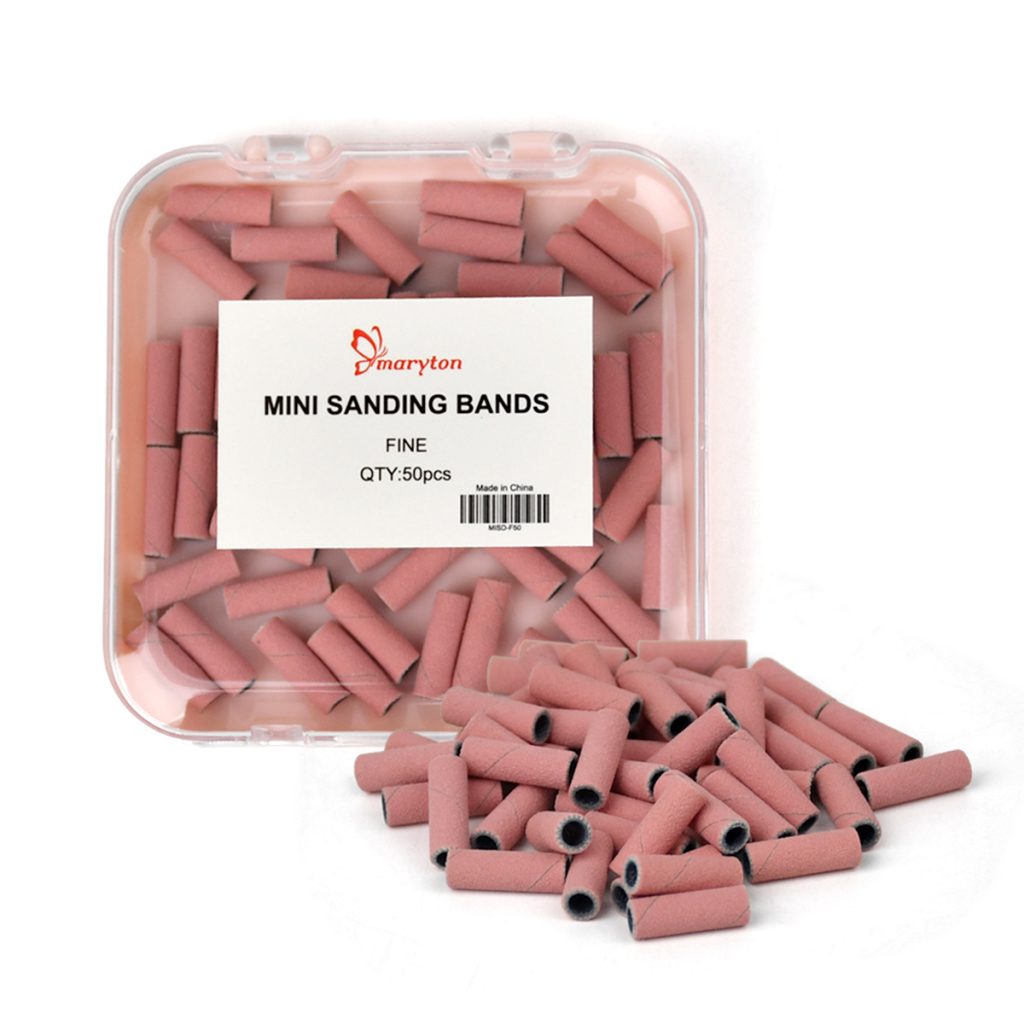
1. Prepare your nails. Start by shaping your nails with a fine‑grit nail file. Gently push back your cuticles and lightly buff the nail surface to remove shine, ensuring the gel adheres properly. Cleanse each nail with a nail cleanser or rubbing alcohol to remove all dust and oils.
2. Apply a base coat. Apply a thin, even layer of gel base coat, capping the free edge (run the brush along the nail tip). Cure under your UV/LED lamp according to the manufacturer’s instructions—typically 30–60 seconds for LED or 2 minutes for UV.
3. Apply the jelly gel polish. The key to a clear, crisp jelly effect is working in thin layers. Apply the first thin coat of jelly gel, cap the free edge, and cure. Apply a second coat for more intensity and cure again. For deeper color, add a third coat, remembering that thin layers prevent the cloudy finish that can ruin the translucent look. You can also enhance the jelly effect by using a neutral, milky, or nude base coat before applying the translucent color.
4. Add optional nail art. This is where jelly nails truly shine. Between gel layers, place glitter, foil pieces, dried flowers, or decals on the nail, then apply another layer of jelly gel to “encapsulate” the decorations for a trendy 3D floating effect.
5. Seal with a top coat. Once you‘re satisfied with the color and any embedded art, finish with a generous layer of high‑gloss gel top coat. Cap the free edge once more and cure fully. Wipe away any sticky inhibition layer with alcohol, then apply cuticle oil to hydrate.
Jelly Nail Polish vs. Regular Nail Polish
Jelly nail polish and regular nail polish are fundamentally different products. Regular nail polish is a thin film coating that dries by evaporation. It’s easy to apply and remove, making it a great choice if you like to change colors often. However, regular polish chips quickly—often within days—and requires time to air dry.
Jelly nail polish, on the other hand, is a gel formula that must be cured under a UV/LED lamp to harden. It contains methacrylate compounds and photoinitiators that react to light, creating a durable polymerized layer. The result is a chip‑resistant manicure that lasts two to three weeks and dries instantly under the lamp, so there‘s no smudging or waiting around. While jelly gel takes longer to apply and remove than regular polish, the extended wear and glossy finish make the extra effort worthwhile for many.
Do Jelly Nails Damage Your Natural Nails?
The short answer is no—jelly nails themselves do not inherently damage your nails, but poor application and removal practices can. The gel formula, when applied and removed correctly, acts as a protective layer over your natural nail plate. The risks come from improper technique: over‑buffing during prep can thin the nail plate, and peeling or prying off the gel instead of soaking it off properly can strip away layers of your natural nail, leaving them thin, weak, and sensitive.
The removal process is where most damage occurs. The safest method is the acetone soak‑off: file off the shiny top coat to break the seal, saturate cotton balls with 100% pure acetone, place them on your nails, wrap each fingertip with foil, and wait 10–15 minutes. The gel will soften and can be gently pushed off with a wooden stick. Never scrape or force it—if the gel resists, rewrap and wait longer. After removal, always apply cuticle oil generously to rehydrate your nails and surrounding skin.
Taking breaks between gel applications—allowing your nails to go bare for a few days—also helps maintain nail health by preventing continuous exposure to acetone and allowing the nail plate to rehydrate naturally.
The Bottom Line
Jelly nails offer the best of both worlds: the translucent, dimensional beauty of a sheer finish combined with the durability and high‑gloss shine of gel polish. With proper application, buildable color, and endless nail art possibilities, jelly nails are a fresh, versatile, and stylish choice for anyone looking to elevate their manicure.
Have you tried jelly nails? What‘s your favorite shade or embedded art technique? Share your experience in the comments—I’d love to hear your ideas.
Read also: Gel Nails vs. Semi-Permanent Nail Polish: Which One Is Right for You?