
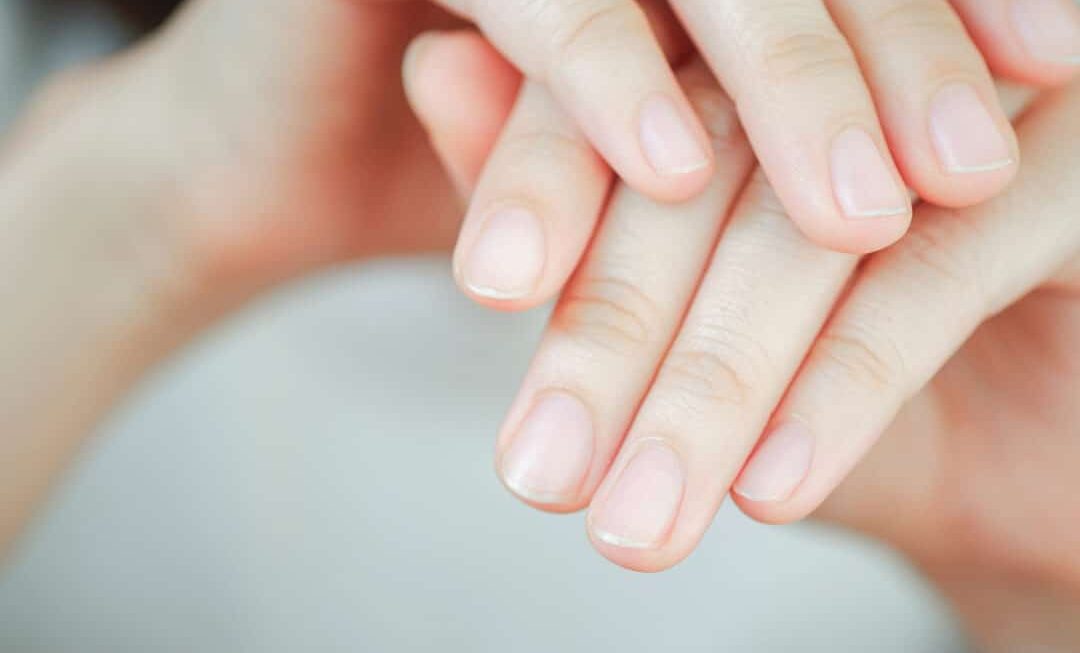
Discovering that a fingernail or toenail is loose and about to fall off can be an unsettling experience. While it might look alarming, it’s a relatively common occurrence. Understanding why it happens, how nails grow, and what you can do to support the process is key to a smooth recovery.
Why Do Nails Fall Off?
The medical term for a nail falling off is onycholysis when it separates from the nail bed, or avulsion if it’s completely detached. This doesn’t happen without a cause. The most common reasons are:
1. Trauma and Injury: This is the number one culprit. Stubbing your toe, hitting your finger with a hammer, or having a heavy object fall on it can cause immediate damage. This trauma leads to a blood blister under the nail (a subungual hematoma), which lifts the nail from its bed. Over time, the separated nail will eventually fall off as a new one starts growing underneath.
2. Fungal Infections (Onychomycosis): Fungi thrive in dark, damp environments, making toenails particularly vulnerable. An infection can cause the nail to become thick, discolored (yellow or brown), and brittle. Eventually, it may crumble or separate from the nail bed.
3. Skin Conditions: Diseases like psoriasis can affect the nail matrix—the root where nail growth begins. This can cause pitting, irregular growth, and weakening of the nail’s attachment.
4. Chemical Overexposure: Frequent contact with harsh chemicals, like those in strong cleaning agents or even some nail polishes and removers, can weaken nails, making them brittle and prone to peeling and separation.

What Controls Nail Growth?
Before we can speed up growth, it’s helpful to know what influences it. Nail growth isn’t a simple process; it’s influenced by several factors:
- Age: Nails grow fastest in young adults. Growth slows down significantly as we age.
- Genetics: Some people are simply predisposed to have faster-growing nails than others.
- Nutrition: Just like your hair and skin, your nails are a reflection of your internal health. They need a steady supply of key nutrients to grow strong and healthy.
- Health and Hormones: Overall health plays a role. Conditions like thyroid disorders can slow growth. Furthermore, nails tend to grow faster during pregnancy due to hormonal changes.
- Season and Circulation: Nails often grow slightly faster in warm climates and in the summer, likely due to improved blood circulation. Good blood flow to the fingertips and toes is essential for delivering the nutrients needed for growth.
How to Speed Up Nail Growth?
While you can’t force a nail to grow at double its normal speed, you can create the optimal environment for healthy, steady growth.
1. Focus on Your Diet: Feed your nails from the inside out.
- Protein: Nails are made of a protein called keratin. Ensure you’re eating enough lean meat, fish, eggs, beans, and nuts.
- Biotin: This B-vitamin is famous for strengthening hair and nails. Find it in eggs, almonds, and whole grains.
- Iron and Zinc: Iron deficiency can cause spoon-shaped nails, while zinc is crucial for tissue growth. Include spinach, red meat, and shellfish in your diet.
- Stay Hydrated: Drinking plenty of water helps keep the nail bed hydrated and healthy.
2. Boost Blood Flow: Gentle massage around the affected finger or toe for a few minutes each day can stimulate circulation, bringing more oxygen and nutrients to the area to support growth.
3. Protect the Nail Bed: Once the damaged nail falls off, the new nail bed will be tender and vulnerable. Keep it clean and covered with a bandage to prevent infection and further injury.
Daily Habits to Prevent Nail Loss
Prevention is always better than cure. Incorporate these simple habits to keep your nails secure:
- Wear Proper Footwear: For toenails, this is critical. Wear shoes that have enough room in the toe box to prevent constant jamming against the front of the shoe, especially during sports like running or soccer.
- Trim Nails Correctly: Cut your nails straight across and avoid rounding the corners too much. This prevents them from growing into the skin and reduces stress on the nail edges.
- Keep Nails Dry and Clean: After washing, dry your hands and feet thoroughly. This is your best defense against fungal infections. Moisturize your nails and cuticles to prevent brittleness.
- Use Protection: Wear gloves when doing household chores, gardening, or working with chemicals.
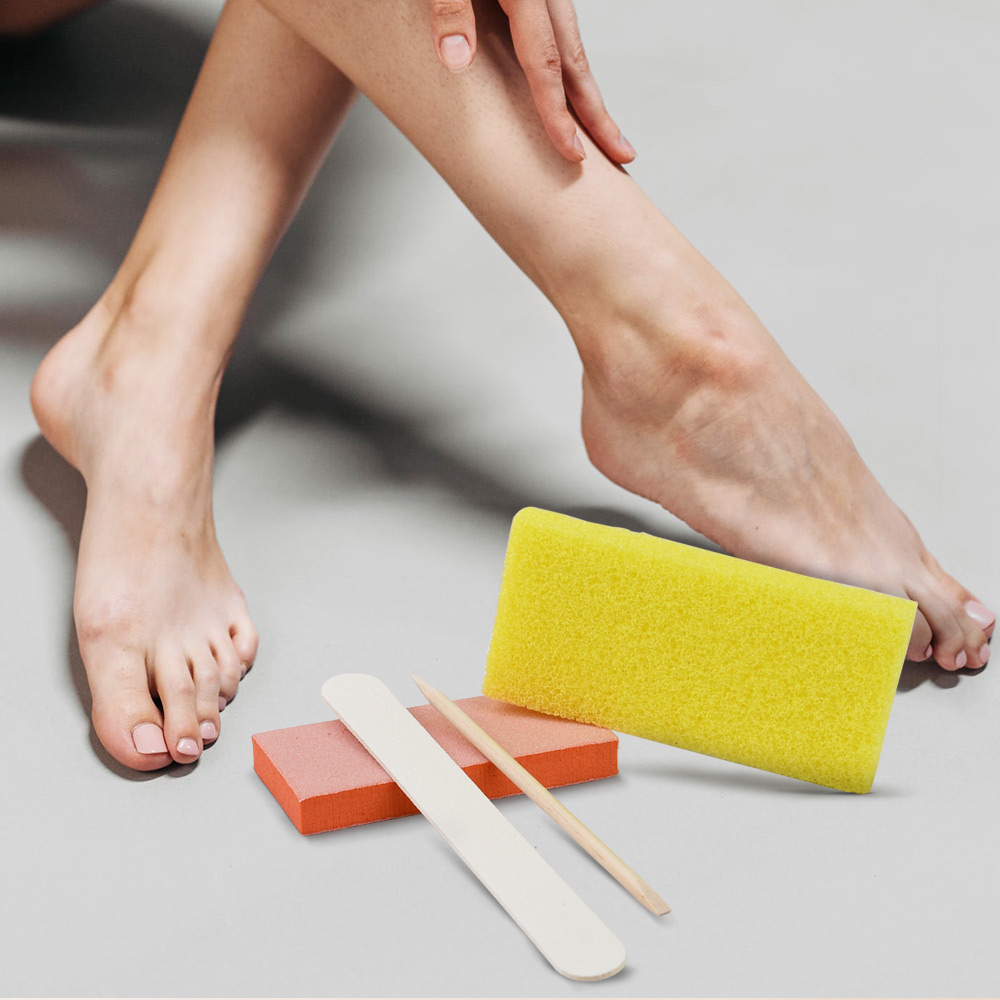
- Choose Nail Products Wisely: Avoid harsh, acetone-based nail polish removers. Give your nails a break from polish occasionally to let them breathe and recover. When getting a foot massage, please choose a professional foot spa kit.
A Final Note
Losing a nail is a temporary setback. The entire process of a fingernail regrowing takes about 4 to 6 months, while a toenail can take a full 12 to 18 months. It requires patience. If the nail loss wasn’t due to a known injury, or if you see signs of infection (increasing redness, swelling, pus, or severe pain), it’s important to see a doctor or a dermatologist. Otherwise, with a little care and the right habits, you’ll be back to having healthy, strong nails in no time.
